

Project Manager
6 Weeks
eCommerce Automation
Jira, Figma, Vercel, Email Automation Services
An Etsy store owner was manually fulfilling every scratch card order. Each purchase required retrieving customer details, customizing the scratch card, generating the final asset, and manually sending the delivery email.
At approximately three minutes per order, the process was manageable at low volumes but became a significant growth constraint as demand increased. The owner could not confidently expand the product range or increase marketing efforts without creating additional operational workload.
The goal was to automate the entire fulfillment process while preserving the personalized experience customers expected through customization options such as font, color, and size.
A key challenge emerged during planning: direct Etsy API access was not practical within the project timeline. To achieve the business objective without delaying delivery, I needed to lead the team toward an alternative architecture capable of capturing order information, generating personalized scratch cards, and delivering them automatically.
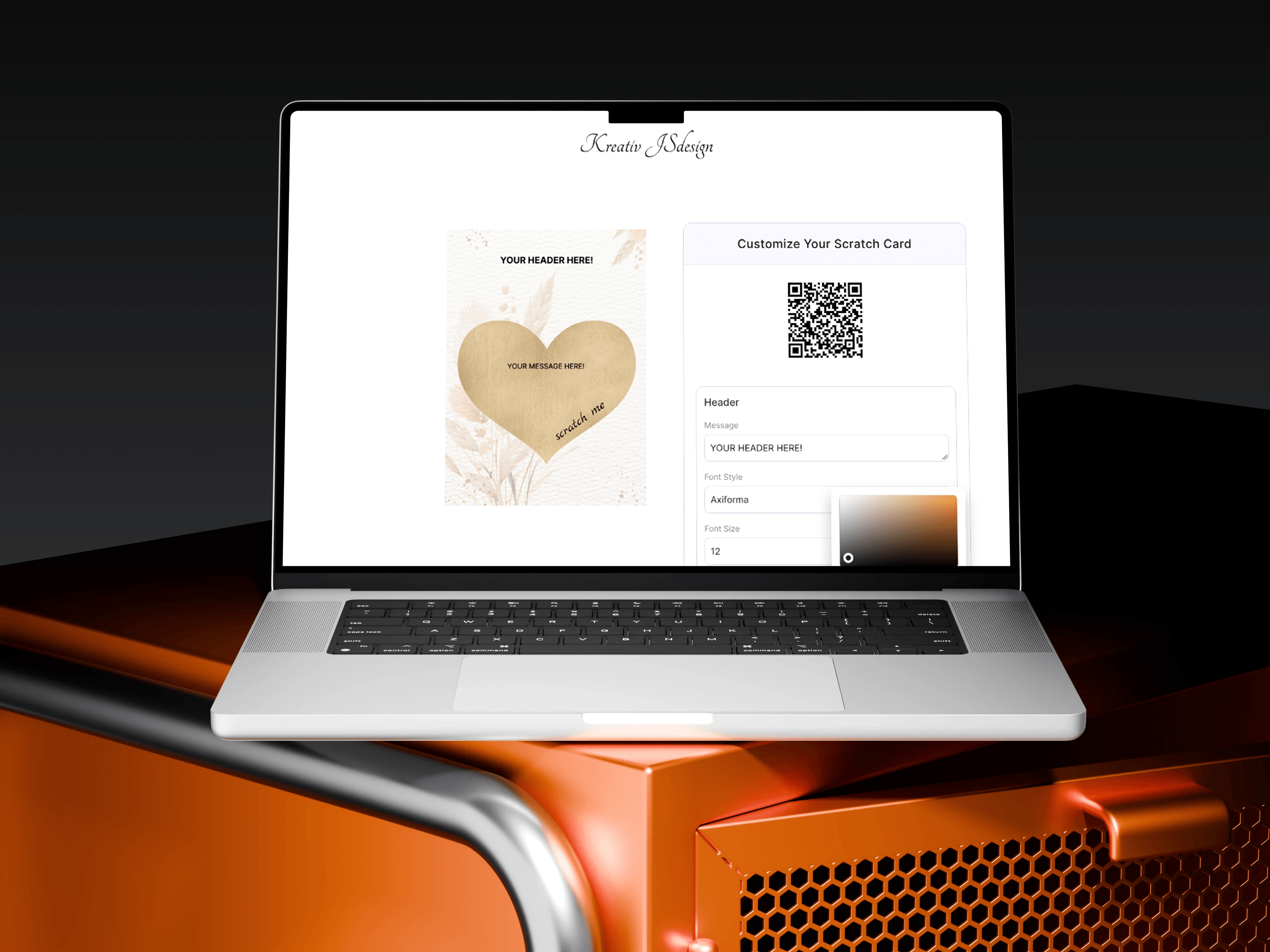
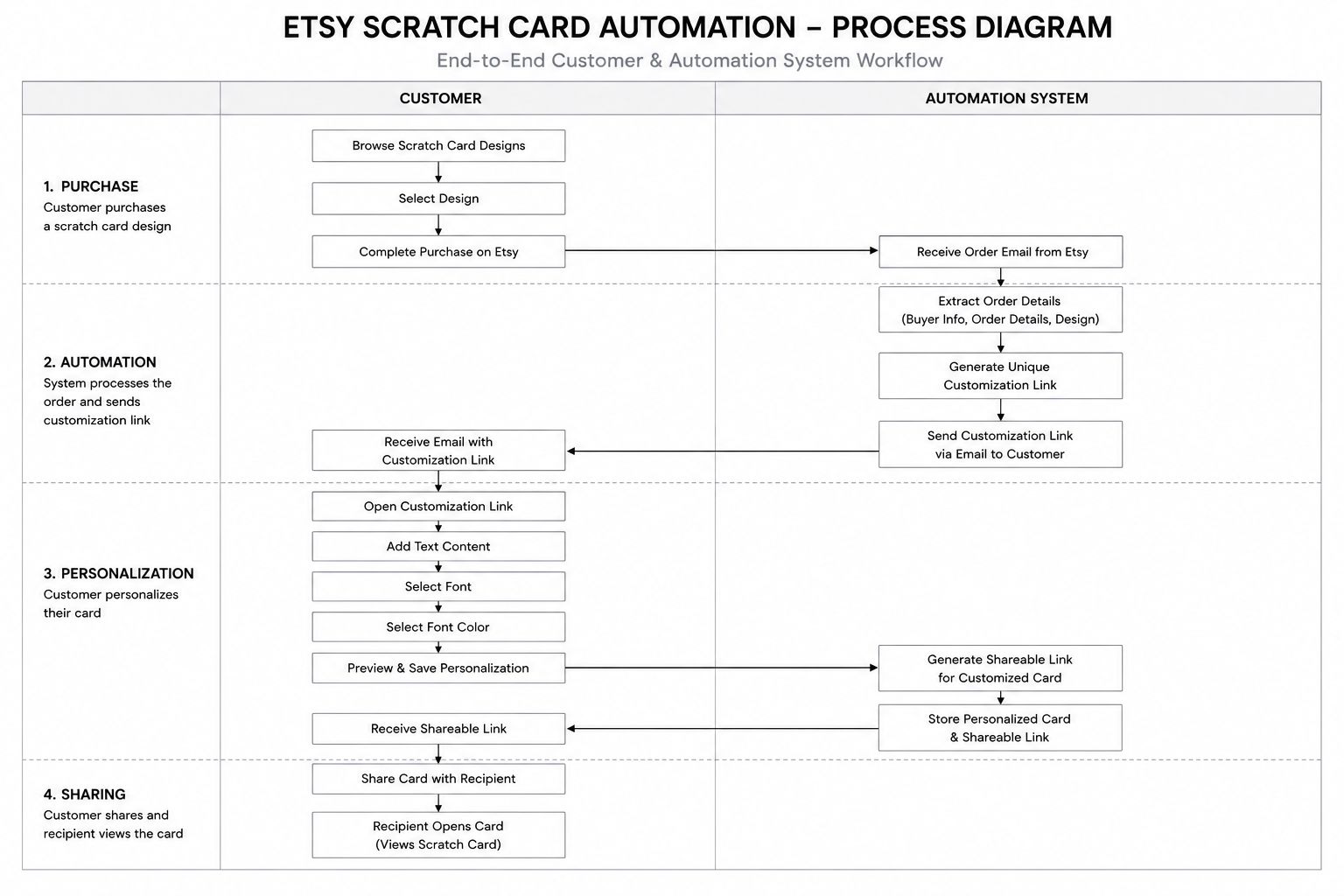
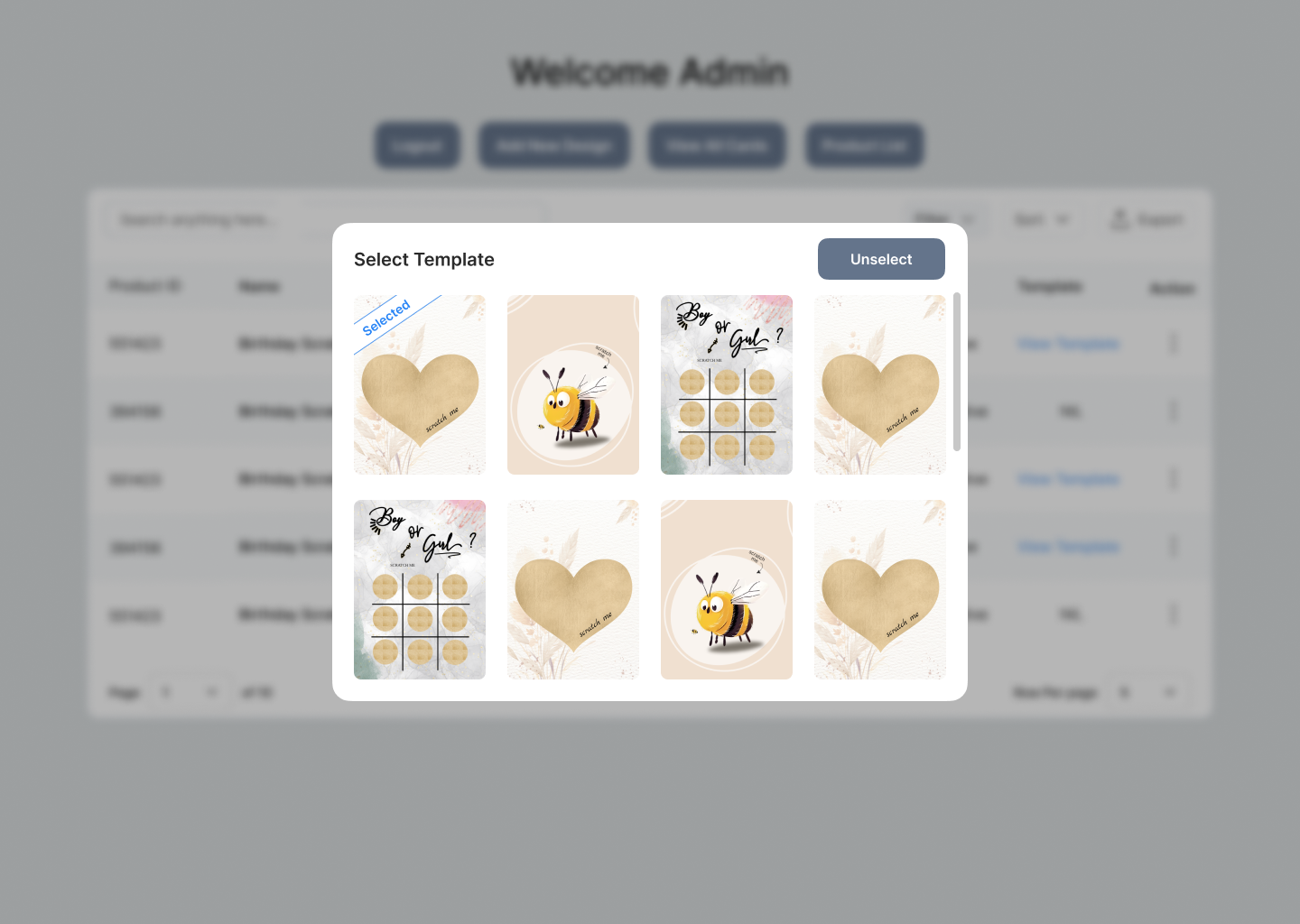
Rather than relying on direct Etsy API access, I led the implementation of an email-driven fulfillment workflow. Order confirmation emails were automatically monitored and parsed to extract customer details and product selections. The automation engine then generated a unique customization link and delivered it to the customer without manual intervention.
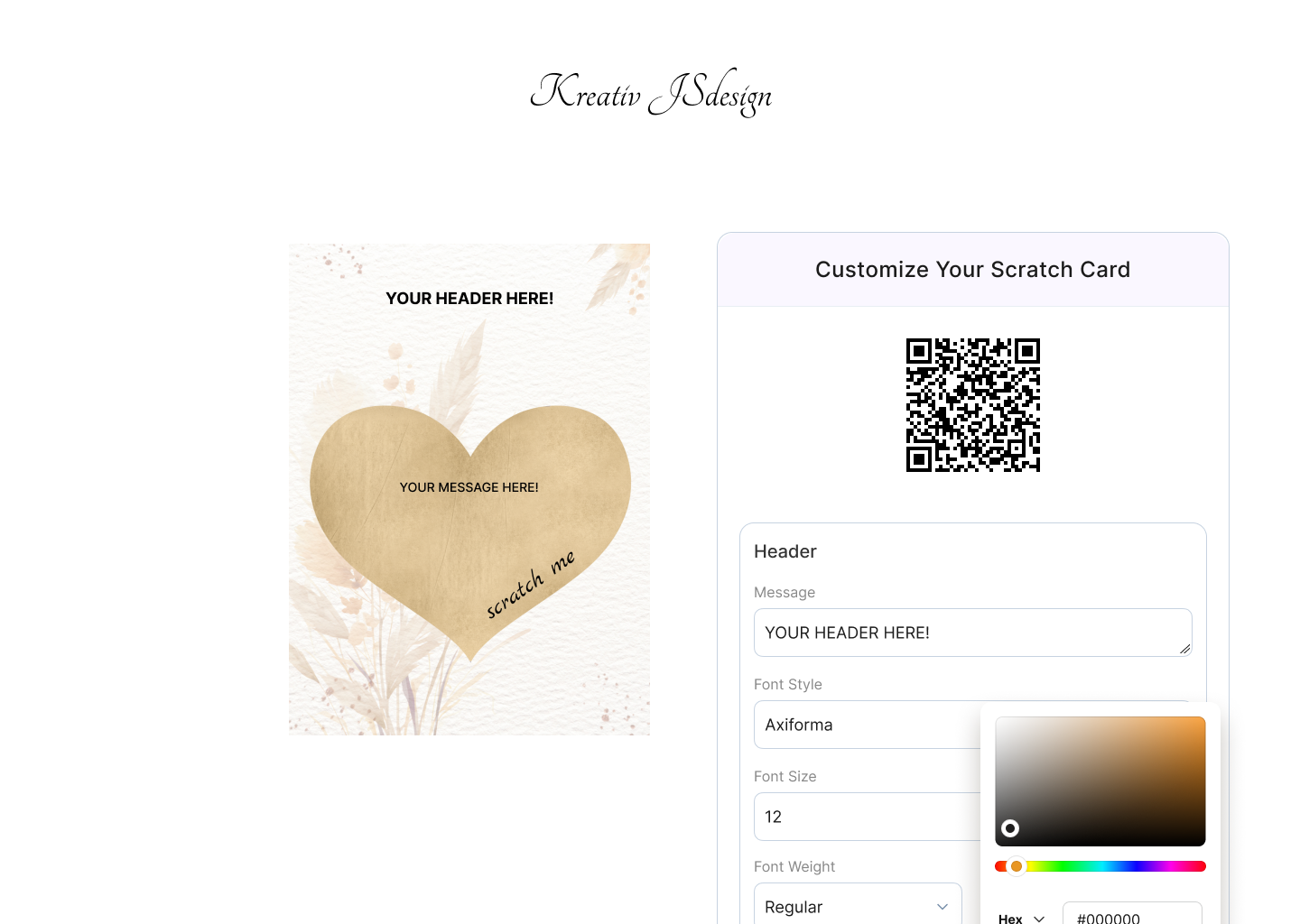
I coordinated the design review process to ensure the personalization experience remained simple, intuitive, and fully responsive across mobile devices.
Because most Etsy purchases occur on mobile, every customization option was reviewed against usability and responsiveness requirements before implementation.
The objective was to make the experience feel effortless for customers while the automation handled the complexity behind the scenes.
I oversaw the delivery of the automation workflow responsible for:
To reduce launch risk, QA and User Acceptance Testing focused on validating the complete end-to-end fulfillment journey rather than testing individual features in isolation.
This ensured every handoff between order receipt, personalization processing, card generation, and email delivery functioned reliably before launch.
The original concept relied on direct Etsy API integration. During planning, it became clear that obtaining the required access would introduce delays that conflicted with the project timeline.
Rather than extending delivery dates, I proposed using Etsy order confirmation emails as the source of truth for customer and order data.
This allowed the team to launch a fully automated fulfillment workflow on schedule while avoiding unnecessary technical and administrative dependencies.
The initial scope included four personalization options: font, color, size, and custom messages.
The custom message feature introduced significantly greater validation and testing complexity because of unrestricted user input.
I recommended launching with the three controlled personalization variables and moving custom messages into a future release. This reduced implementation risk, accelerated testing, and allowed the automation engine to launch with a stable foundation.
The deferred feature was later introduced without requiring changes to the core fulfillment workflow.
Throughout the project, I prioritized automation reliability over feature expansion.
Rather than increasing scope during delivery, the focus remained on building a dependable automated workflow that could consistently process orders without manual intervention.
This decision simplified testing, reduced launch risk, and ensured the project achieved its primary business objective.
The solution was delivered successfully within the six-week timeline and launched on schedule.
Beyond operational efficiency, the owner reported increased customer reviews, more repeat purchases, and additional time available for marketing, product development, and business growth initiatives.
The project transformed fulfillment from a manual operational bottleneck into a scalable automated workflow capable of supporting future expansion.
Fulfillment Speed (Down from 3m)
Capacity Scale
Automated & Error-Free
On-Time Delivery


If I were managing this project again, I would introduce a dedicated third-party platform validation phase earlier in discovery.
While the email-driven architecture ultimately proved successful, validating platform constraints sooner would have accelerated architectural decision-making and reduced exploratory effort during implementation.
The project reinforced an important lesson: successful delivery is not about forcing the original solution to work. It is about adapting quickly when constraints emerge and identifying the most practical path to achieve the desired business outcome.
Whether it is a product build, an internal initiative, or a project that has already started and needs rescuing, tell me what is happening. I will tell you honestly how I would approach it.