

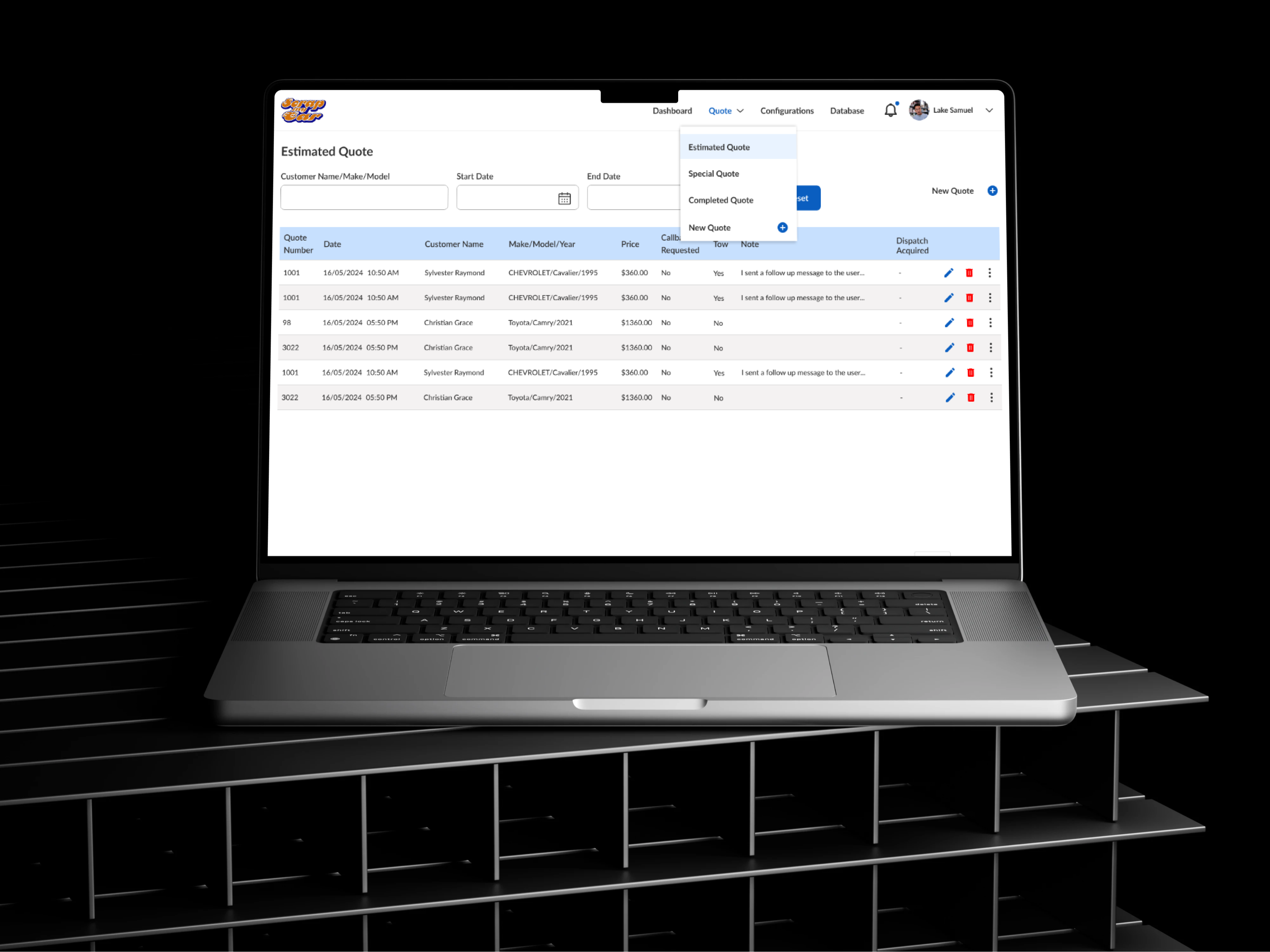
Project Manager
12 Weeks
Operations Software
Trello, Figma, APIs, Teams
The client’s scrap vehicle quoting process depended heavily on manual calculations, outdated metal pricing references, and inconsistent operational workflows.
Quote accuracy varied between staff members, pricing calculations were time-consuming, and specialist vehicle handling relied heavily on informal decision-making from senior employees. The lack of operational standardization limited both scalability and pricing consistency across the business.
The platform needed to solve three interconnected challenges simultaneously:
The challenge was not simply building software, it was redesigning an operational workflow the business had relied on manually for years.
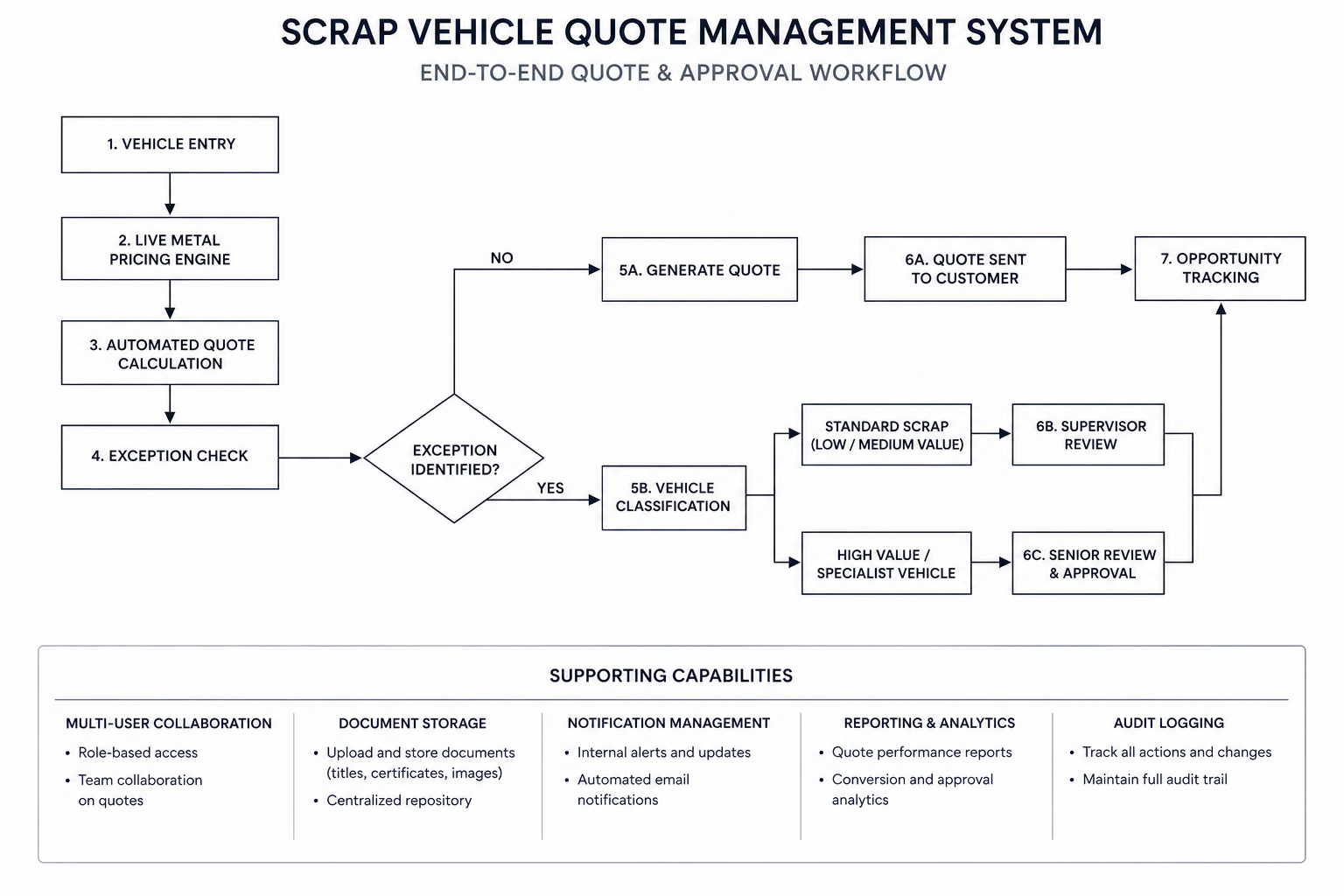
Before development began, I led a detailed business process mapping exercise to document the existing quoting workflow, identify pricing failure points, and understand how specialist vehicle exceptions were being handled operationally.
Rather than treating requirements gathering and design as separate phases, I used the workflow analysis to drive both the system architecture brief and UI design direction simultaneously. This allowed technical planning and interface design to progress in parallel, accelerating the delivery timeline.
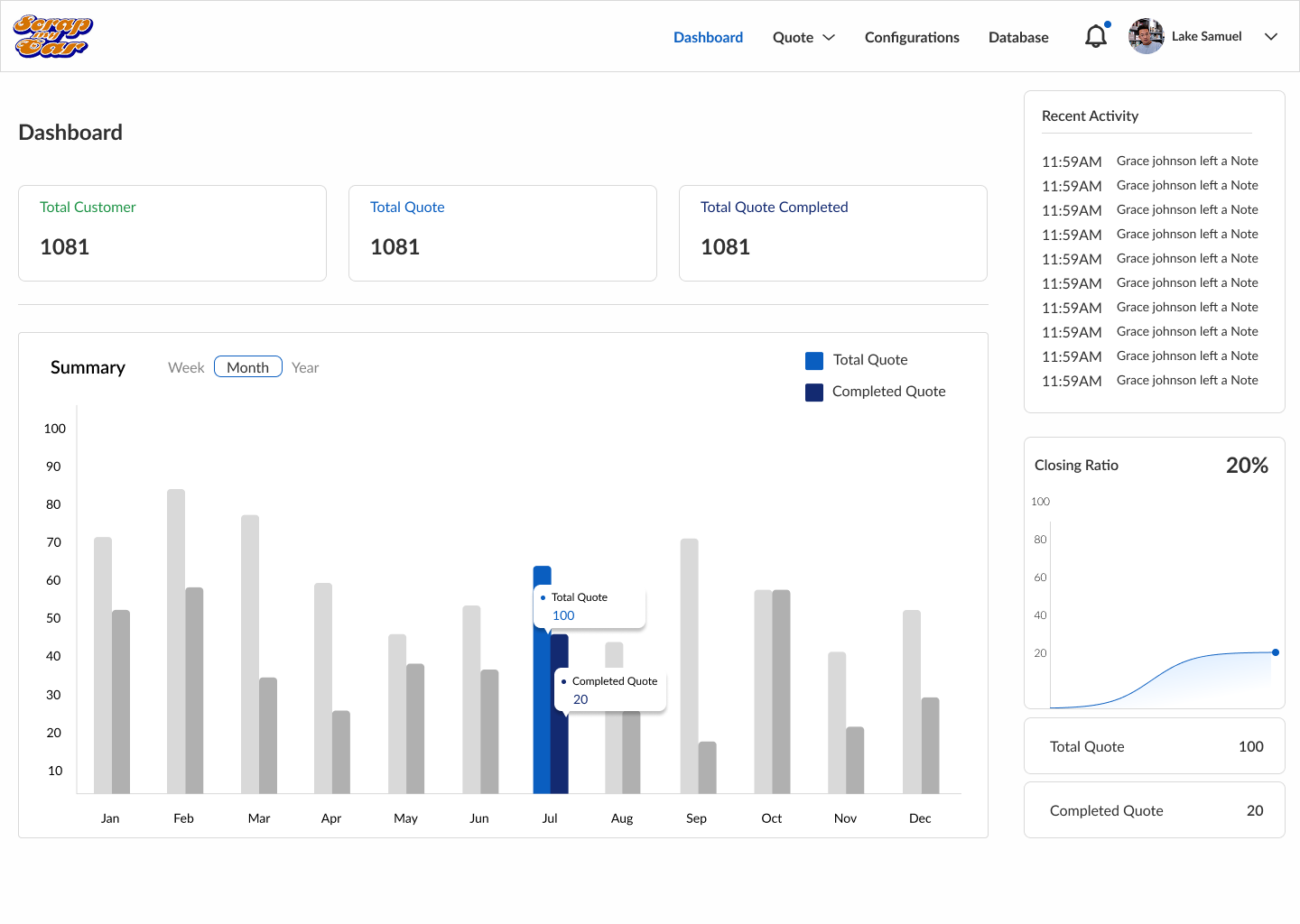
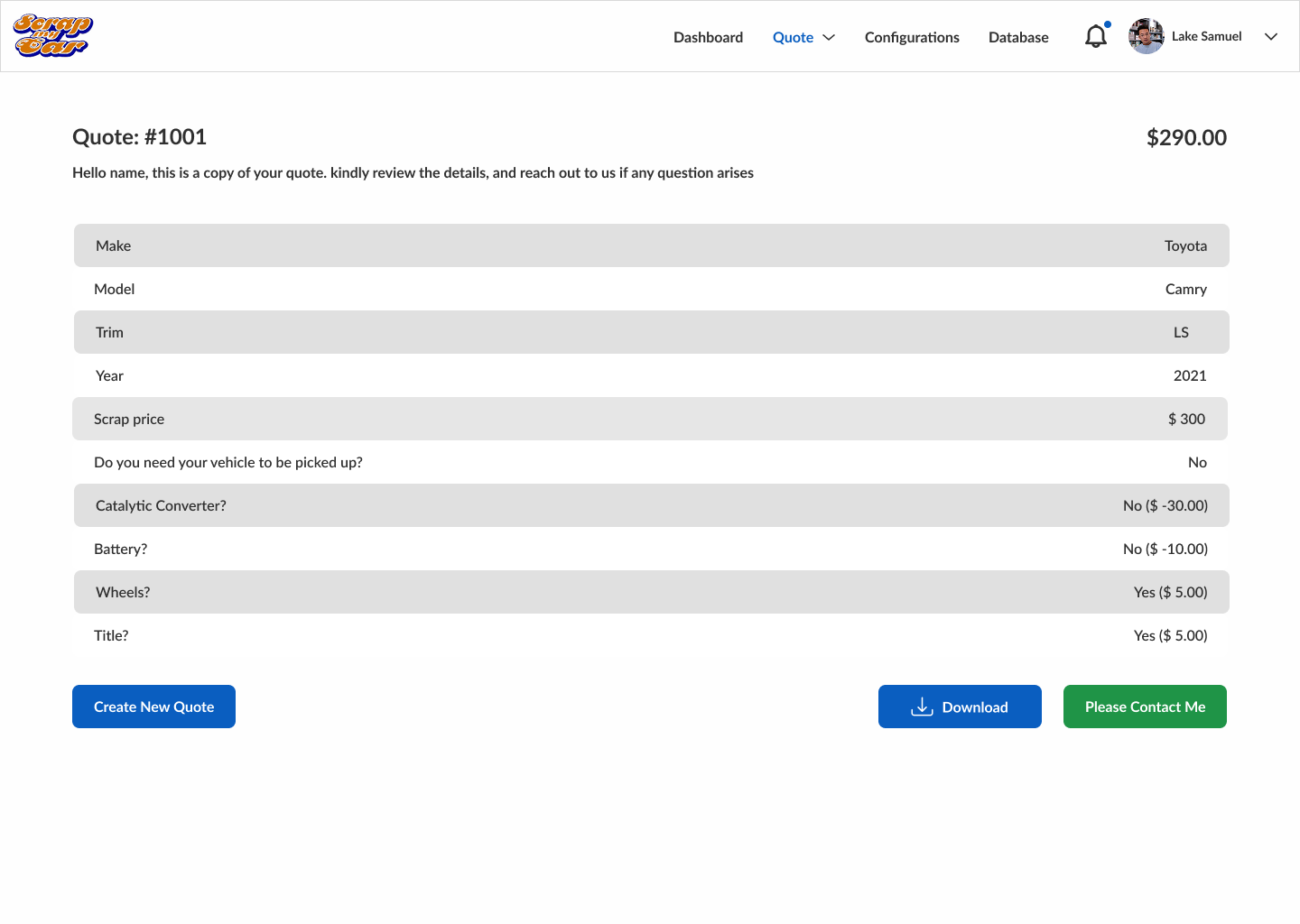
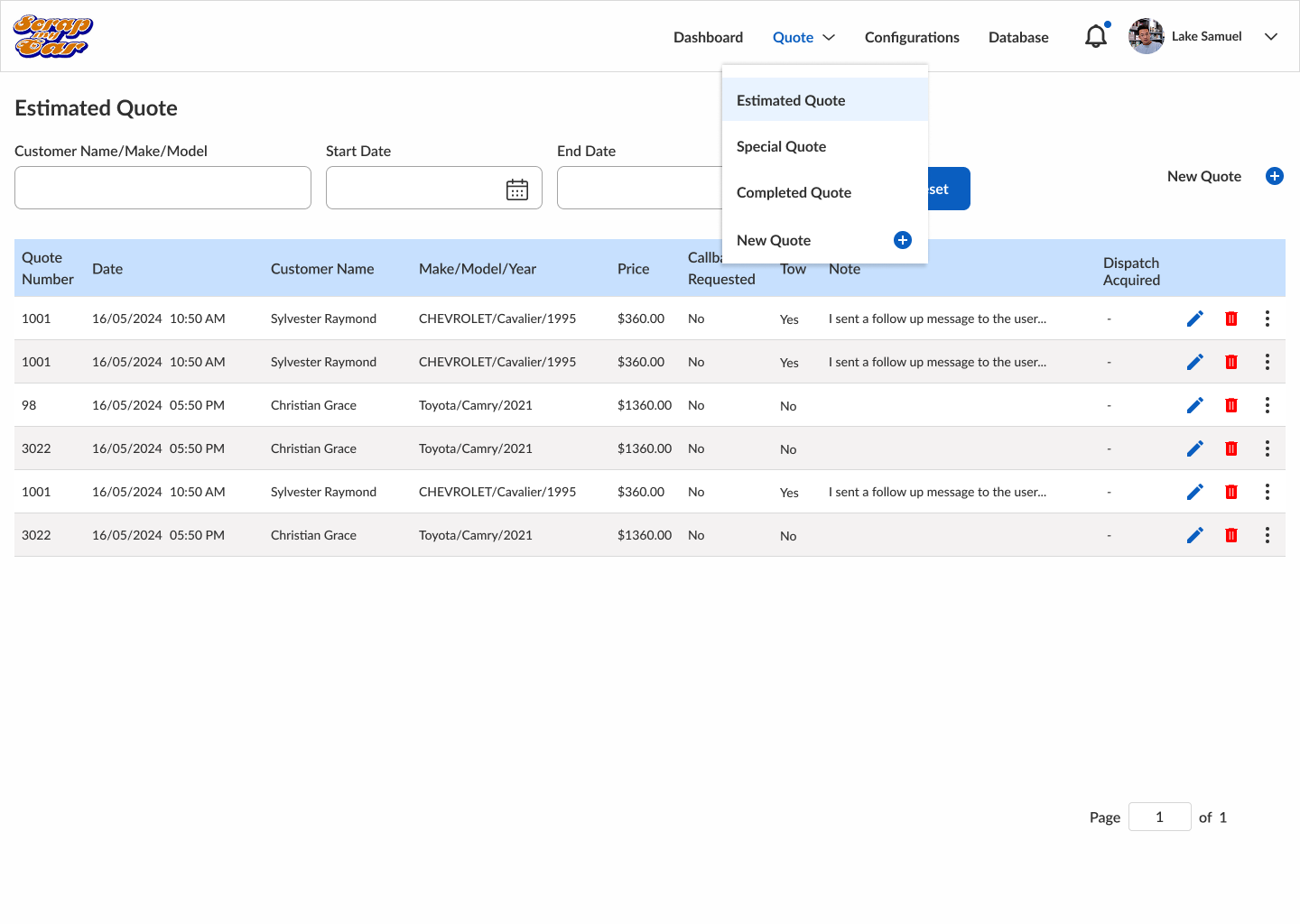
The platform was structured around three primary modules:
Because every downstream process depended on pricing accuracy, I prioritized the pricing engine as the project’s highest-risk workstream and sequenced it ahead of the remaining modules.
This allowed integration testing, workflow validation, and user acceptance reviews to happen against stable pricing outputs later in development.
The final implementation phase focused on deployment, structured data migration, and user training.
Rather than treating training as a final handoff activity, I organized onboarding sessions by operational role to ensure each user group understood the workflows and permissions relevant to their responsibilities.
To support post-launch adoption, I also introduced simplified quick-reference guides for each user type before go-live.
Instead of routing every specialist or high-value vehicle through the same approval chain, I introduced a tiered escalation structure.
Standard exceptions could be resolved at the supervisor level, while unusual or high-value vehicles escalated to senior review only when necessary. This reduced operational bottlenecks while maintaining oversight for commercially sensitive transactions.
Rather than structuring permissions around job titles, I redesigned access control around operational task types.
This ensured users only accessed the workflows relevant to their responsibilities, reducing training complexity and minimizing the risk of incorrect record handling across teams.
Traditional project sequencing would have separated requirements gathering, design, and development into consecutive phases.
To accelerate delivery within the 12-week timeline, I ran business process mapping, architecture planning, and UI direction simultaneously during the discovery phase. This recovered valuable implementation time without compromising delivery quality.
The platform was delivered successfully within the 12-week timeline and launched on schedule.
Following deployment:
The structured exception-management workflow also transformed specialist vehicle handling from an informal process into a documented, auditable operational system that could scale beyond reliance on a small number of senior staff members.
The business entered post-launch operations with:
Quoting Speed (Down from 3m)
Pricing Consistency
Margin Leakage
On-Time Delivery
Whether it is a product build, an internal initiative, or a project that has already started and needs rescuing, tell me what is happening. I will tell you honestly how I would approach it.